Bow Embroidery Design Review
As an experienced embroidery designer preparing for a craft fair, I’ve evaluated the Bow machine embroidery design to determine its potential as a standout piece for handmade products. This design offers versatility, visual appeal, and practicality for a wide range of applications, making it a valuable addition to any embroidery business or handmade shop.
First Impressions of the Bow Design
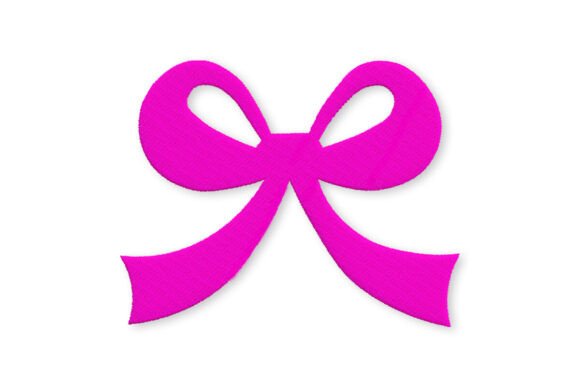
The Bow design exudes a soft, elegant, and slightly vintage charm. It feels like a timeless accessory that can be adapted to various styles—whether rustic, modern, or classic. The clean lines and minimalistic approach make it immediately recognizable, which is essential for attracting customer attention at a craft fair booth.
Its simplicity also means it can be easily customized with different thread colors or fabric choices, allowing for creative flexibility in product development.
Where the Bow Design Shines
The Bow works exceptionally well on several key items that are popular at craft fairs and handmade markets:
- Tote bag design: A bow on a tote bag adds a feminine touch and makes the item more appealing to buyers looking for stylish, functional accessories.
- Apron embroidery: Adding a bow to aprons gives them a unique, personalized look that stands out among other kitchenware products.
- Tea towel embroidery: A small bow on a tea towel can elevate the overall aesthetic and create a cohesive set with other embroidered items.
- Embroidered patch: As a standalone patch, the Bow can be used on jackets, backpacks, or bags, offering a subtle yet eye-catching detail.
- Fabric pouches and pillow covers: These items benefit from the bow’s decorative quality, making them ideal for gift-giving or home décor displays.
Practical Selling and Production Considerations
One of the strengths of the Bow design is its adaptability. It can function as a small accent or a larger focal point, depending on the product and customer preference. This flexibility allows for multiple uses across different product types, increasing its value as a digital embroidery file.
When it comes to stitch density, the design appears to have a balanced layout, which is important for maintaining clarity on both light and dark fabrics. However, users should test the design on different materials to ensure optimal results.
The Bow also photographs well for online listings, making it suitable for Etsy seller product pages or printable mockups. Its clean lines and clear shape help maintain visibility even when scaled down for digital previews.
Careful-Use Notes for the Bow Design
While the Bow is generally easy to work with, there are a few considerations to keep in mind:
- Dense stitch areas: If the design has intricate details, ensure proper stabilizer use to prevent puckering or distortion.
- Small lettering or details: Check if any text or fine elements are legible at smaller sizes before using it on keychains or small patches.
- Thick fabric or textured towels: The design may require adjustments for optimal placement and visibility on uneven surfaces.
- Curved cap surfaces: Ensure the design is compatible with curved hoop setups if planning to use it on caps or similar items.
- Dark fabric: Contrast between the thread colors and fabric will affect how visible the bow is. Test with different thread colors to find the best match.
Impact on Visual Appeal and Customer Engagement
The Bow design enhances the visual appeal of any product it's applied to. Its delicate yet striking appearance draws attention, especially when placed on high-traffic items like tote bags or aprons. At a craft fair, this can lead to increased customer engagement and more inquiries about the product.
For small shop product creators, the Bow offers a way to add a premium feel to their offerings without overcomplicating the design process. It also supports brand consistency by providing a recurring motif that can be used across multiple product lines.
Embroidery Designer Notes for Optimal Results
To get the best results with the Bow design, consider the following steps:
- Test the design on scrap fabric to evaluate how it looks on different materials.
- Check thread contrast to ensure the design stands out against the chosen fabric color.
- Review spacing to avoid overcrowding or excessive white space around the design.
- Confirm hoop size requirements to ensure compatibility with your embroidery machine.
- Inspect stitch density to prevent issues with fabric distortion or thread breakage.
- Use the right stabilizer for the fabric type to maintain smooth stitching.
- Create at least one real mockup to see how the design looks in person.
- Compare fabric colors to ensure the design matches your intended aesthetic.
- Confirm commercial licensing before selling finished products to avoid legal issues.
Conclusion: A Versatile Addition for Craft Fair Sellers
The Bow machine embroidery design is a versatile and attractive option for craft fair sellers, handmade shop owners, and commercial embroidery businesses. Its elegant, minimalist style makes it adaptable to a wide range of products, from tote bag design to embroidered patch creations.
With careful consideration of fabric texture, thread colors, and production setup, the Bow can become a staple in any embroidery business. Whether you're setting up a booth display or creating handmade product listings for Etsy, this design has the potential to attract attention and drive sales.